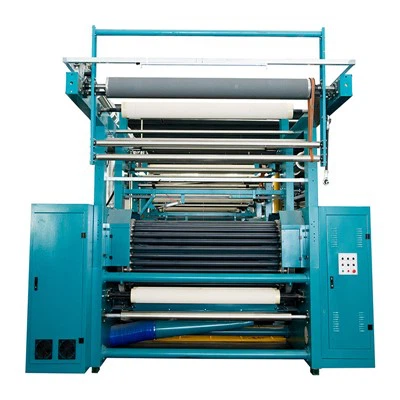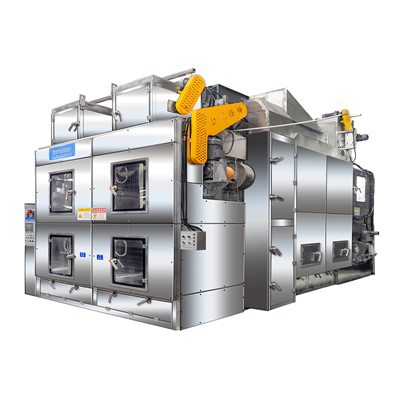
Textile Brushing Machine: Boost Fabric Quality and Production Efficiency in Textile Finishing
In modern textile manufacturing, surface finishing is a critical step that directly determines fabric texture, appearance, and commercial value. As the demand for high-quality, flawless textiles continues to rise globally, the textile brushing machine has become indispensable core equipment for fabric finishing, lint removal, and surface polishing. It effectively solves the drawbacks of traditional manual processing, such as uneven finishing, low efficiency, and high defective rates.
A professional textile brushing machine is specially designed for post-weaving and post-sewing fabric treatment. Equipped with high-speed adjustable brush rollers and negative-pressure dust removal systems, it efficiently cleans floating lint, thread ends, dust, and surface impurities on various fabrics. Compatible with cotton, polyester, linen, blended fabrics, fleece, flannel, and home textiles, it supports single-sided and double-sided uniform brushing without damaging the original fiber structure, ensuring smooth and soft fabric surfaces.

Compared with manual cleaning and simple auxiliary tools, automated fabric brushing machines bring remarkable advantages for textile factories. First, it stabilizes product quality. Consistent roller speed and pressure eliminate uneven brushing problems, greatly improving fabric dyeing and printing effects and reducing product defects. Second, it drastically upgrades production efficiency, replacing multiple manual workers and shortening the finishing cycle to adapt to large-scale industrial production.
In addition to quality and efficiency improvements, modern textile brushing machines focus on environmental protection and operational safety. The fully enclosed dust collection structure controls fiber dust pollution in the workshop, meeting international environmental production standards. Featuring frequency conversion speed regulation, edge deviation correction, and low-maintenance design, the equipment is easy to operate, reduces long-term maintenance costs, and saves factory floor space.
From small garment processing workshops to large textile production bases, textile brushing machines have become standard finishing equipment. They help manufacturers standardize production processes, enhance product competitiveness, and adapt to the strict quality requirements of the global textile market. For sustainable and high-efficiency textile production, investing in a high-performance textile brushing machine is a cost-effective upgrade for long-term industrial development.