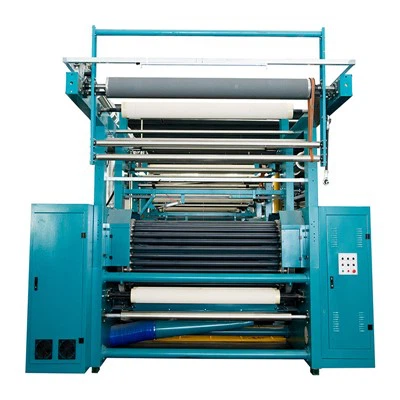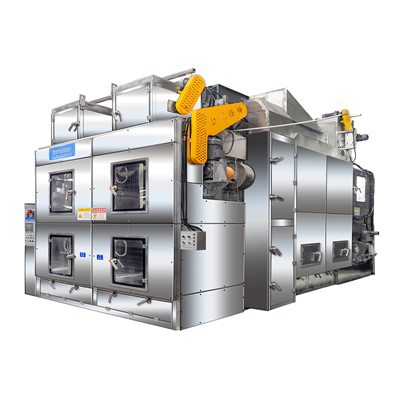
Brushing machines are mechanical devices used in the finishing processes of textiles and other industries to remove lint and burrs from the surface of fabrics. A typical structure includes a housing, brush rollers, a motor, and a filter or dust collection system. During operation, negative pressure is used to attract the fabric, the brush rollers rotate to clean, and the lint is collected by the filter. Some models feature multi-roller designs, adjustable lint height, or flexible brush roller configurations.
Brushing machines are usually equipped with an independent dust collection system, which creates negative pressure at the brush nozzle to attract and collect lint from the fabric. The brush roller configuration is flexible; single-sided or double-sided brushing can be selected according to process requirements, and the number of brush rollers can also be increased or decreased. Some models are equipped with lint height adjustment mechanisms such as screw jacks and seam detection devices such as visual detection devices. The design incorporates structures such as removable filters for easy maintenance and cleaning.
Common parameters for brushing machines range from approximately 1.5 to 15 kW in power, 5-60 m/min in machine speed, 1600-3200 mm in nominal width, approximately Φ190 mm in roller diameter, and approximately 0.2-1 ton in machine weight. Pig bristle can be selected as the brush roller material. High-speed brushing machines can reach a total power of 47 kW and have a 2500 mm diameter.